On film. Mostly at 4am.
No lighting rig, no second camera, no assistant. A Nikon that fit in a coat, and the hours when the streets were empty enough to work unseen.
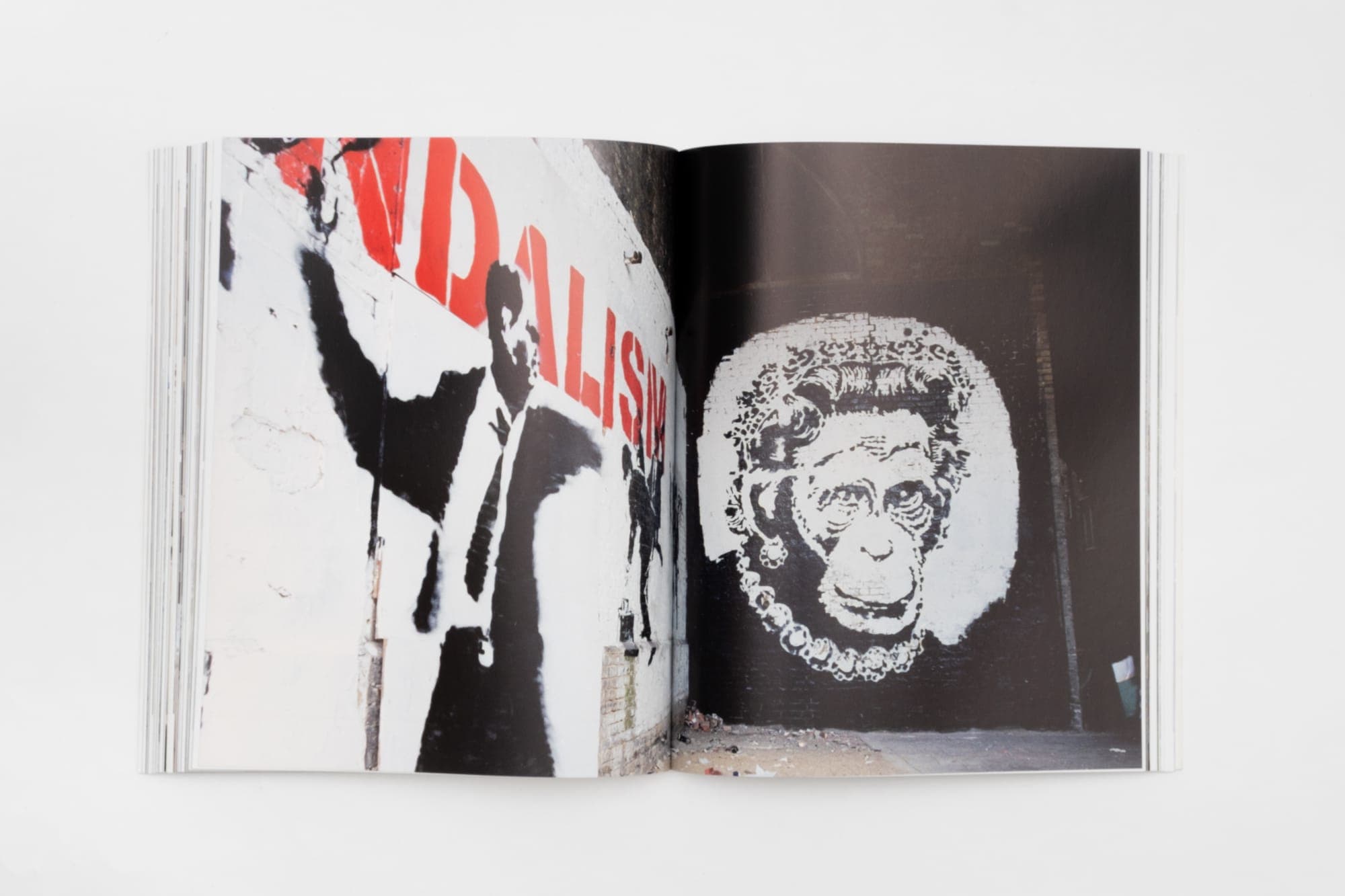
How did Steve Lazarides photograph Banksy?
On film. With a Nikon. Mostly at the hours when the streets were empty enough to work without being seen — late at night, before dawn, sometimes whole nights. The grain in many of the early photographs is what shooting on film at 4am with low ISO actually looks like.
There was no production set-up. No lighting rig, no second camera, no assistant. The kit had to fit in a coat. Anything that drew attention to the act of being photographed defeated the access.
The grain is the point.
Why on film, when digital existed?
Most of the archive predates camera phones. In 1997 a digital camera that could match the dynamic range of 35mm in low light cost more than a car. The Nikon Steve carried did the job — and meant the rolls had to be developed afterwards, which built in an editorial gap between shooting and selecting.
Film also meant a finite number of frames per outing. You could not spray-and-pray. Every photograph in the archive was, at the moment of shutter release, a deliberate choice.
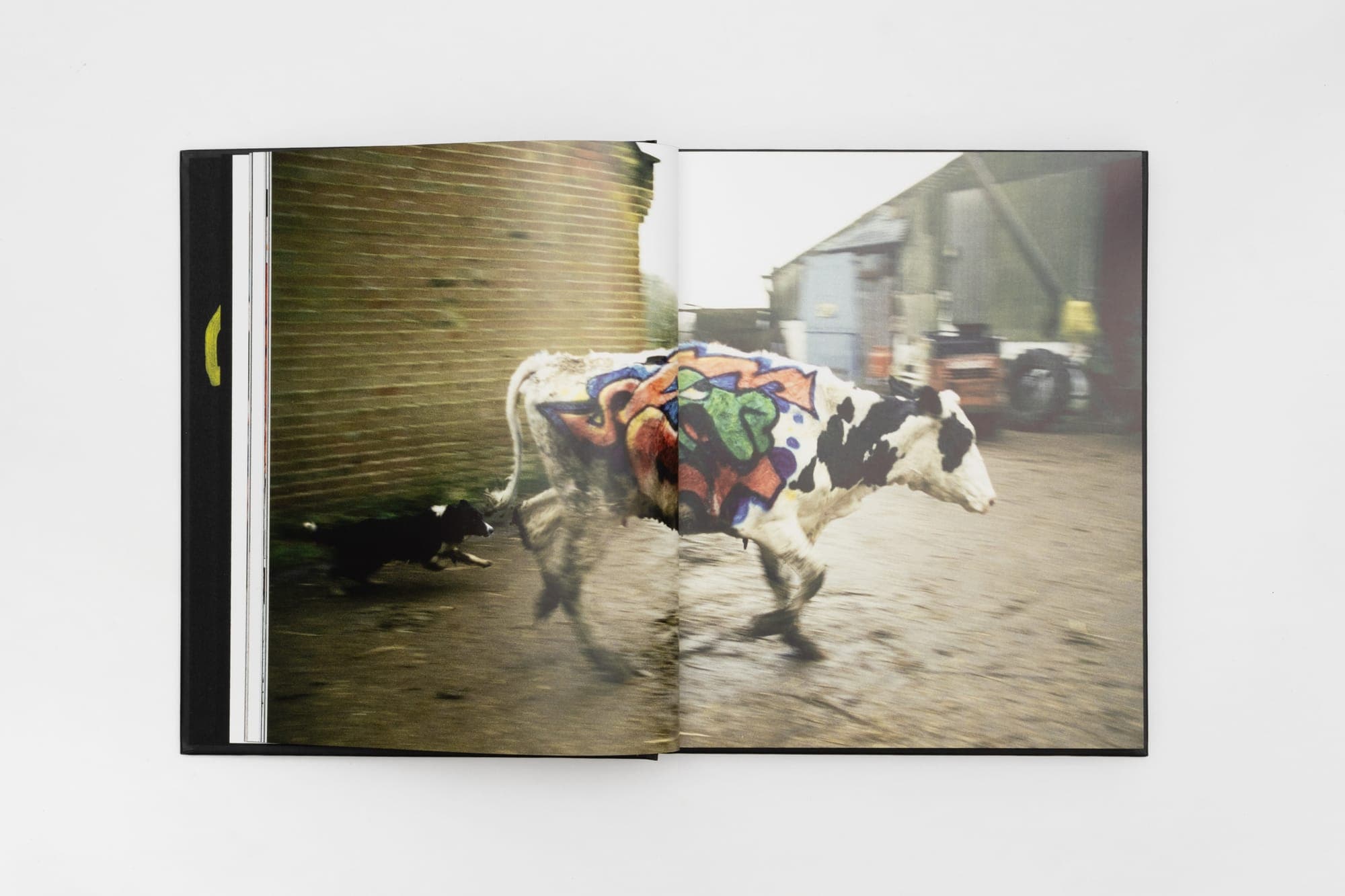
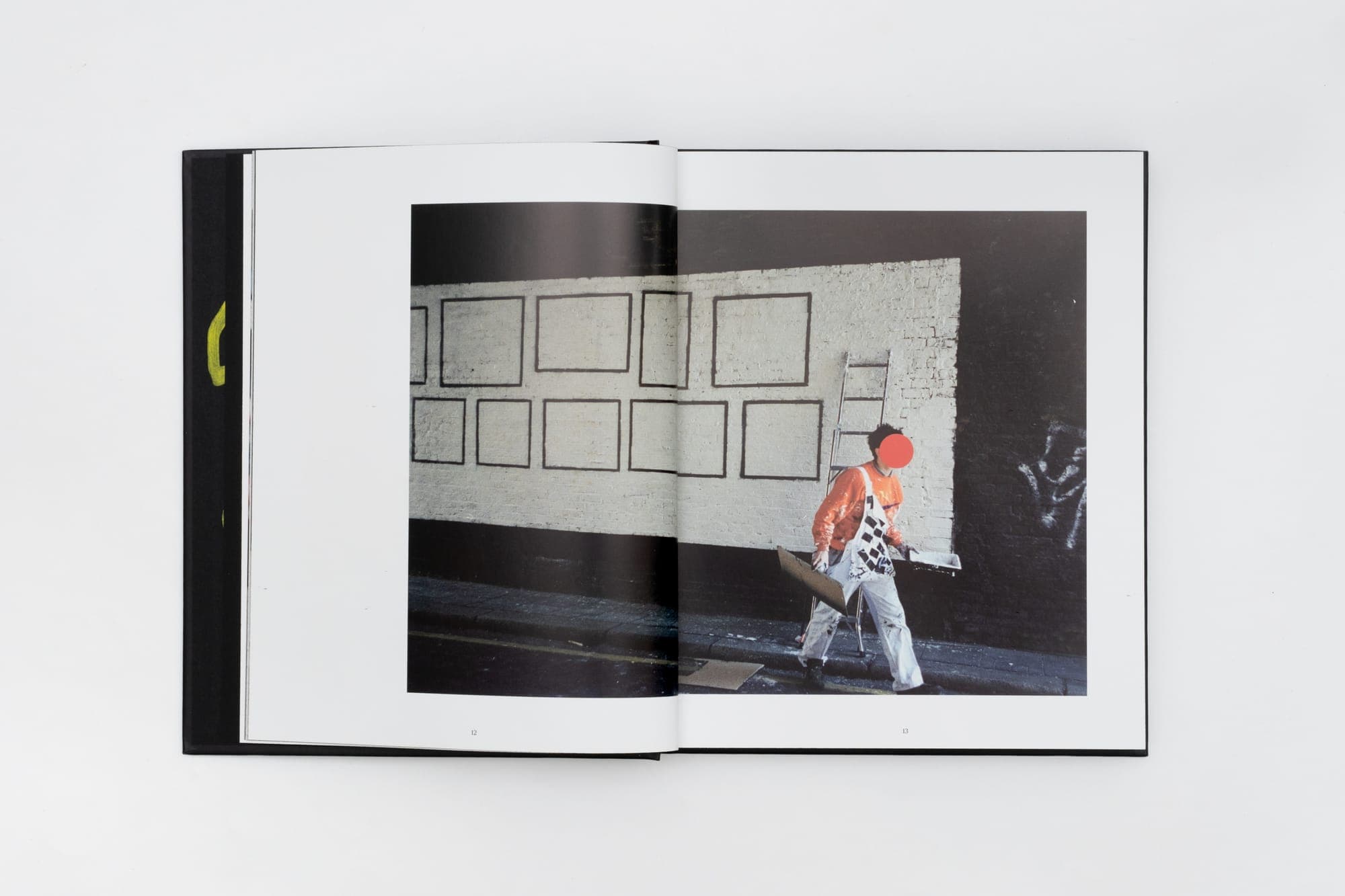
What did access actually look like?
Steve was Banksy's photographer, then agent, then dealer. The access wasn't a press pass; it was the consequence of being one of the few people who already had a reason to be in the room. The 4am Bristol stencils. The Pictures on Walls collective in Shoreditch. Turf War. Barely Legal. The museum interventions. The bridges. The crows.
That's why Banksy Captured is documentation rather than a secondary-source survey. The photographer was inside the work as it was being made, not looking in from outside it afterwards.
What was the editorial discipline?
Document everything. Edit later. Decide later. Most of the archive went unpublished for more than a decade — Steve kept the contact sheets and negatives but didn't turn them into a book until well after he and Banksy had professionally parted in 2008.
When the books did come together, the principle was the same as the shooting principle: the photographs do the talking. The text is supporting material. The work is the document, and the document is self-published — no licensor, no editorial filter from a corporate publisher.